
When it comes to running your business smoothly and staying on the right side of regulations, clear policy documentation is not just helpful—it’s essential. But what exactly do you need to include in your policy documents?
How do you ensure they meet legal standards while being easy for your team to follow? Understanding policy documentation requirements can save you from costly mistakes and keep your operations transparent and efficient. You’ll discover the key elements your policies must have, why proper documentation matters, and practical tips to create policies that work for you and your business.
Keep reading, and take control of your compliance and governance with confidence.
Key Policy Types
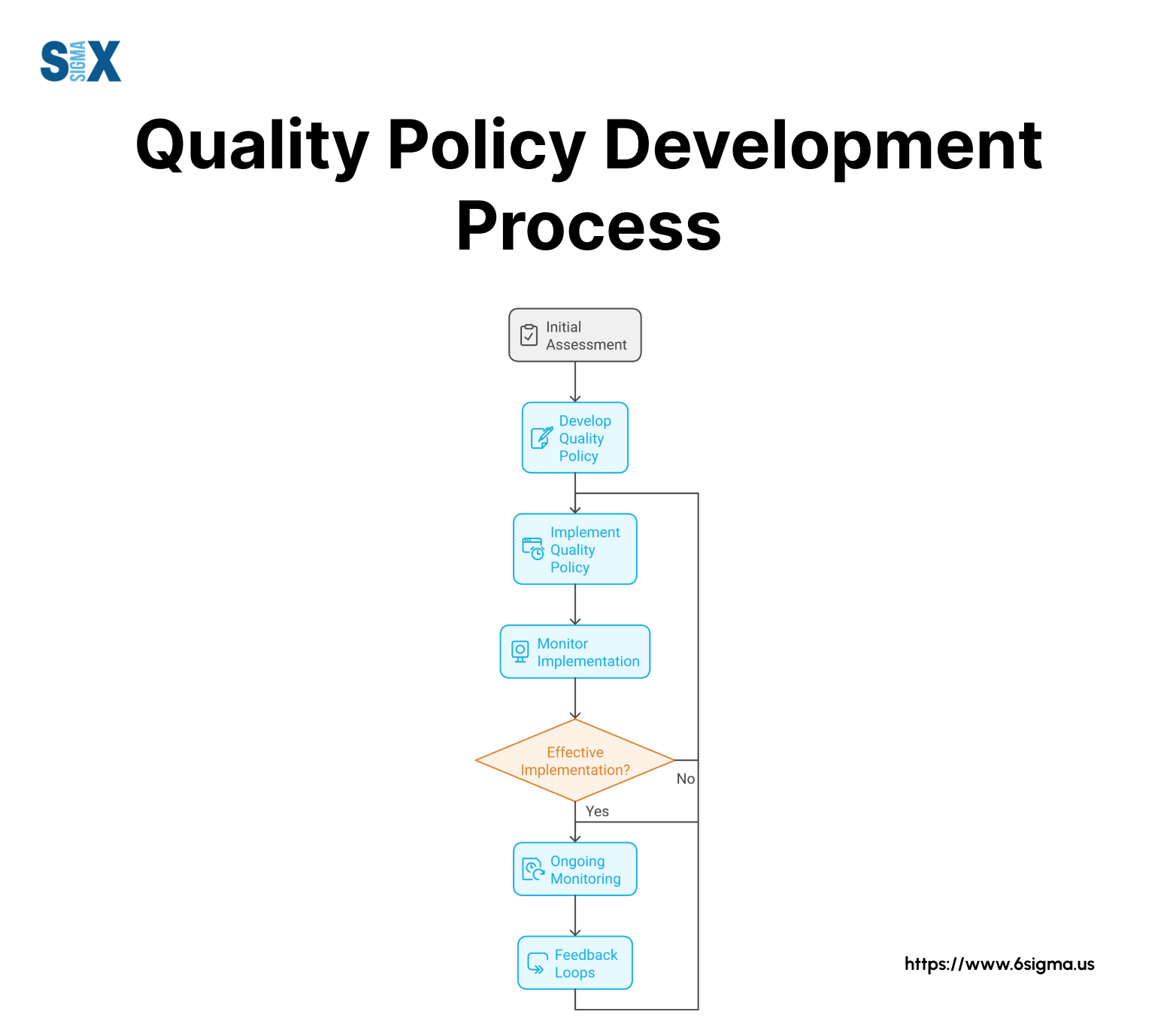
Policies are official rules set by management. They must be followed by everyone. Standards are specific requirements that support policies. They tell how things must be done to comply.
Procedures explain the exact steps to complete tasks. They help people understand how to follow policies and standards. Guidelines offer advice but are not mandatory. They help users make better decisions.
| Document Type | Purpose | Requirement |
|---|---|---|
| Policy | Set the rules and management intent | Mandatory |
| Standard | Define specific compliance requirements | Mandatory |
| Procedure | Describe step-by-step actions | Mandatory |
| Guideline | Provide optional advice and best practices | Optional |
Legal And Regulatory Needs
Policy documentation must clearly show the legal and regulatory needs. It should provide a simple, clear summary of requirements without copying legal text. This helps staff understand rules easily. Use plain language to explain what the policies mean and what actions to take.
Include only key points from laws and regulations. Avoid complex terms or full legal sentences. Focus on what the business must do to stay compliant. This keeps the document short and easy to follow.
| Policy Documentation Needs | Details |
|---|---|
| Summary | Brief overview of legal and regulatory rules |
| Language | Simple, clear, and easy to understand |
| Content | Focus on business actions, not legal text |
| Purpose | Help staff follow laws and regulations |
Structuring Policy Documents
Clear and enforceable language makes policy documents easy to follow. Use simple words and short sentences. Avoid complex terms that confuse readers. Each rule should be stated plainly and directly. This helps everyone understand what is required and expected.
Separate sections for clarity organize content logically. Divide policies into distinct parts like purpose, scope, responsibilities, and procedures. Use headings and bullet points to break information into small chunks. This structure helps readers find details quickly and reduces misunderstandings.
Roles And Responsibilities
Assigning ownership means giving clear responsibility for each policy. This helps avoid confusion and keeps tasks organized. Each policy must have an owner who updates and enforces it.
Accountability measures track if owners follow their duties. These include regular reviews and reporting. When owners know they are accountable, they work more carefully.
Clear roles and accountability ensure policies are followed well. This protects the company and keeps work smooth.
Document Classification And Access
Document classification organizes files by sensitivity and importance. Typical classification levels include Public, Internal, Confidential, and Restricted. Public documents are open to everyone. Internal ones are for employees only. Confidential files hold sensitive data and need limited access. Restricted documents are the most sensitive and need strict controls.
Access control rules limit who can see or change documents. Rules depend on classification level. For example, anyone can access Public documents, but only authorized staff can view Restricted ones. Access rights should be reviewed regularly to keep data safe.
| Classification Level | Description | Access Rules |
|---|---|---|
| Public | Information available to everyone. | No restrictions. |
| Internal | For company staff use only. | Employees only. |
| Confidential | Sensitive information needing protection. | Restricted to certain roles. |
| Restricted | Highly sensitive, critical data. | Strictly limited access. |
Retention And Review
Retention guidelines specify how long policy documents must be kept. This helps ensure compliance with laws and regulations. Each document type may have different retention periods based on its importance and legal needs.
Scheduled reviews are necessary to keep policies current. Regular updates improve clarity and reflect changes in rules or business operations. Reviews should be planned at least once a year or as required by law.
Assigning responsible persons for reviews ensures accountability. They check if policies remain relevant and accurate. Updating policies promptly avoids confusion and protects the organization.
Compliance Evidence
Recording compliance efforts is essential to show your organization follows rules. Keep clear and detailed records of all compliance activities. This helps prove that policies are followed and risks are managed properly.
An audit trail is a record showing who did what and when. It tracks changes to policies and procedures. Maintain audit trails to support transparency and accountability. These records help during inspections or audits.
| Audit Trail Component | Description |
|---|---|
| Action Taken | Details of the compliance action performed |
| Person Responsible | Name or ID of the person who took the action |
| Date and Time | Exact date and time of the action |
| Supporting Documents | Files or notes that prove the action was done |
Training And Awareness
Employee training programs must cover all policy details clearly. Training helps workers understand their roles and responsibilities. Sessions should be short, simple, and interactive. Regular tests can check understanding. Use real-life examples to make learning easier. Keep records of all training activities for compliance.
Ongoing communication keeps everyone updated on policy changes. Use emails, newsletters, and meetings to share info. Encourage questions and feedback to improve clarity. Visual aids like charts or infographics help too. Consistent reminders ensure policies stay fresh in minds.
Document Management Best Practices
Version control ensures every document update is tracked clearly. It helps avoid confusion by saving old versions and noting changes. Teams can see who made edits and when. This keeps policies accurate and easy to follow.
Secure storage protects sensitive documents from loss or theft. Use strong passwords and encryption to keep files safe. Store backups in different locations. Limit access to only trusted people. This prevents unauthorized use or damage.
Common Documentation Challenges
Keeping policy documents up-to-date is a common challenge. Changes in laws or company rules happen often. Without regular updates, documents can become outdated and less useful.
Ensuring consistency across all documents is critical. Different teams may write policies differently. This can cause confusion and errors. Using a standard format helps keep documents uniform.
Clear roles for review and approval should be set. This prevents outdated or conflicting information. Regular training ensures everyone understands the latest policies.
Frequently Asked Questions
What Should Be Included In A Policy Document?
A policy document should include purpose, scope, roles, responsibilities, legal requirements, procedures, enforcement, and review schedules. Keep it clear and concise.
What Are The 5 Principles Of Good Documentation?
The five principles of good documentation are clarity, accuracy, consistency, accessibility, and conciseness. Ensure content is easy to read, factually correct, uniform in style, readily available, and brief. These principles improve understanding, usability, and compliance with standards.
What Are The 5 Common Acceptable Use Policy Statements?
1. Users must avoid illegal activities and respect all laws. 2. Access company resources only for authorized business purposes. 3. Do not share confidential or sensitive information externally. 4. Use strong passwords and protect login credentials. 5. Report any security incidents or policy violations immediately.
What Are The 3 P’s Of Policy?
The 3 P’s of policy are Purpose, Principles, and Procedures. They guide policy creation, implementation, and compliance effectively.
Conclusion
Clear policy documentation supports consistent business practices. It helps employees understand rules and expectations. Proper records show compliance with laws and standards. Keeping documents updated reduces risks and confusion. Simple, well-organized policies improve communication across teams. Regular reviews ensure policies stay relevant and effective.
Focus on clarity and accuracy when writing documents. Good documentation builds trust with customers and partners. Start with basics, then expand as your needs grow. Consistent policy documentation leads to smoother operations overall.
Read More
- Policy Renewal Savings Guide: Unlock Big Discounts Easily
- Policy Claim Filing Guide: Expert Tips for Fast Approval
- Insurance Policy Compliance Audit: Essential Tips for Success
- Insurance Coverage Review Online: Simplify, Save, and Secure Today
- Enterprise Insurance Documentation: Streamline, Secure, Succeed
- Secure Policy Document Vault: Ultimate Protection for Your Files
- Policyholder Claim Assistance: Expert Tips to Maximize Your Payout
- Commercial Policy Renewal Review: Maximize Savings & Coverage
- Corporate Policy Administration: Streamline Compliance and Boost Efficiency
- Compliance Risk Assessment Checklist: Essential Steps for Success