
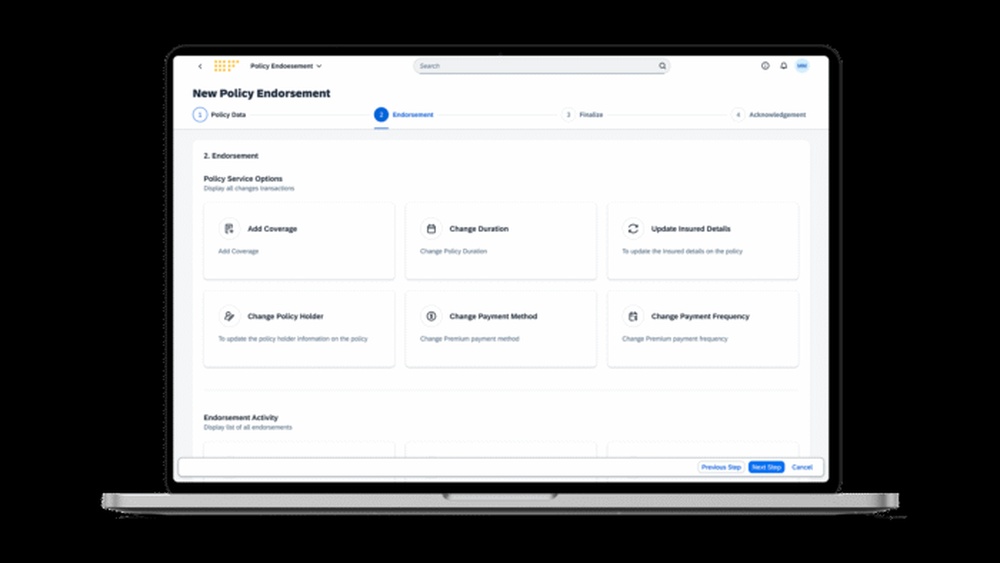
Managing your business insurance policies can feel overwhelming, especially when you want to focus on growing your company. But what if you had a simple way to keep all your coverage details organized and up to date?
That’s where a Business Insurance Policy Manager steps in—helping you track, manage, and understand your insurance with ease. Whether you’re protecting your property, employees, or liability, having a clear handle on your policies can save you time, money, and stress.
Keep reading to discover how a Business Insurance Policy Manager can become your smartest tool for safeguarding your business and giving you peace of mind every step of the way.
Business Insurance Basics
Business insurance helps protect your company from financial risks. There are many types of business insurance, including property, liability, and workers’ compensation. Each type covers different risks your business may face.
A Business Owner’s Policy (BOP) usually combines property and liability insurance. Property insurance covers damage to your building and equipment. Liability insurance protects against claims if someone is hurt or their property is damaged because of your business.
Key terms to know include:
- Premium: The amount you pay for insurance coverage.
- Deductible: The money you pay before insurance starts to pay.
- Coverage limit: The maximum amount the insurer will pay.
- Claim: A request for payment after a loss.
Role Of A Business Insurance Policy Manager
A Business Insurance Policy Manager handles many tasks to keep insurance up to date. Managing multiple policies means tracking different insurance plans for one business. This role helps avoid gaps in coverage and ensures all risks are covered properly.
Coordinating with insurers involves constant communication with insurance companies. The manager answers questions, submits claims, and negotiates terms. This keeps the business informed and makes sure policies meet needs.
Monitoring policy renewals is crucial to prevent coverage lapses. The manager watches renewal dates and prepares documents early. This allows time to review or change policies before they expire.
Maximizing Coverage
Assessing business risks is key to maximizing insurance coverage. Identify potential threats like fire, theft, or lawsuits. Understanding these risks helps select the best insurance.
Choosing the right policy bundle saves money and simplifies protection. A Business Owner’s Policy (BOP) combines property and liability insurance. This bundle covers many common business risks in one package.
Customizing coverage options ensures the policy fits your business. Add or remove coverage based on your needs. Consider special risks unique to your industry or location.
Minimizing Business Risk
Regular policy reviews help catch gaps in coverage early. Business risks change, so insurance must too. Update policies yearly or after big changes like new equipment or locations.
Training staff on risk prevention reduces accidents and claims. Teach simple safety rules and emergency steps. This lowers injury chances and protects the company’s assets.
Risk management strategies include identifying hazards and planning ways to avoid them. Use checklists, inspections, and clear rules. Staying proactive keeps the business safe and steady.
Specialized Insurance Types
Management Liability Insurance protects business leaders from legal claims. It covers risks like wrongful acts by directors and officers. This insurance helps pay for defense costs and settlements.
Professional Liability Coverage safeguards businesses from claims of mistakes or negligence. It is crucial for service providers such as consultants, lawyers, and doctors. It covers legal fees and damages if clients sue.
Cyber Liability Protection shields companies from losses due to data breaches and cyber attacks. This insurance covers costs for notification, legal help, and fixing security issues. It helps businesses recover after cyber incidents.

Insurance For Small Businesses In Austin, Texas
Businesses in Austin, Texas must follow local insurance laws. These rules help keep companies safe and legal. Small businesses often need liability and property insurance to protect their assets.
Austin businesses face risks like theft, fire, and accidents. Some industries also worry about legal claims or employee injuries. Insurance helps cover these risks and avoid big losses.
Many local insurance providers offer plans suited for Austin. Choosing a provider nearby can make claims easier. Small business owners should compare prices and coverage before deciding.
Tools And Technology For Policy Managers
Insurance management software helps policy managers keep all documents and details in one place. It simplifies the process of handling many policies at once. These tools often include easy-to-use dashboards and reminders for important dates.
Automation for policy tracking saves time by sending alerts for renewals and changes. It reduces human errors and keeps data updated. This way, managers can focus on more important tasks rather than manual tracking.
Data analytics for risk assessment provides insights into possible risks by studying past claims and patterns. It helps managers make smarter decisions about coverage needs and pricing. Using analytics, businesses can avoid costly mistakes and improve safety.

Cost Control Strategies
Negotiating premiums can lower insurance costs. Speak with your insurer to ask for better rates. Show your business’s good safety record. This may convince them to reduce your premium.
Bundling policies often leads to discounts. Combine different types of insurance like property and liability. Many companies offer savings when you buy multiple policies together. This simplifies payments and cuts costs.
Leveraging deductibles wisely means choosing the right deductible amount. Higher deductibles usually lower premiums but increase out-of-pocket costs when you claim. Pick a deductible you can afford to pay if needed. Balance between saving on premiums and managing risk.
Handling Claims Efficiently
Document every detail after an incident. Take photos, write down what happened, and keep all receipts. This helps your insurer understand the claim quickly. Clear and accurate records speed up the process.
Stay in touch with adjusters. Answer their questions honestly and provide requested documents fast. Good communication helps avoid delays. Be polite and patient during conversations.
Plan to keep your business running smoothly. Have a backup plan for staff and operations. Notify customers if services change. Minimizing disruption saves money and keeps your reputation strong.
Frequently Asked Questions
How Much Is A $1,000,000 General Liability Policy?
A $1,000,000 general liability policy typically costs between $400 and $1,500 annually. Prices vary by industry, location, and business size.
What Does A Bop Cover?
A Business Owner’s Policy (BOP) covers business property and general liability. It protects against fire, theft, and liability claims.
What Does 250/500/100 Mean In Insurance?
The numbers 250/500/100 represent insurance coverage limits: $250,000 per person, $500,000 per accident, and $100,000 for property damage.
What Are The Big 5 Insurance Companies?
The big 5 insurance companies are State Farm, Geico, Progressive, Allstate, and Liberty Mutual. They dominate the U. S. market.
Conclusion
A Business Insurance Policy Manager helps keep your coverage organized and up to date. It simplifies handling multiple policies and ensures nothing gets missed. Staying on top of insurance details saves time and reduces risks. Protect your business by managing policies carefully and reviewing them often.
This approach supports smooth operations and peace of mind.
Read More
- Policy Renewal Savings Guide: Unlock Big Discounts Easily
- Policy Claim Filing Guide: Expert Tips for Fast Approval
- Insurance Policy Compliance Audit: Essential Tips for Success
- Insurance Coverage Review Online: Simplify, Save, and Secure Today
- Enterprise Insurance Documentation: Streamline, Secure, Succeed
- Secure Policy Document Vault: Ultimate Protection for Your Files
- Policyholder Claim Assistance: Expert Tips to Maximize Your Payout
- Commercial Policy Renewal Review: Maximize Savings & Coverage
- Corporate Policy Administration: Streamline Compliance and Boost Efficiency
- Compliance Risk Assessment Checklist: Essential Steps for Success