
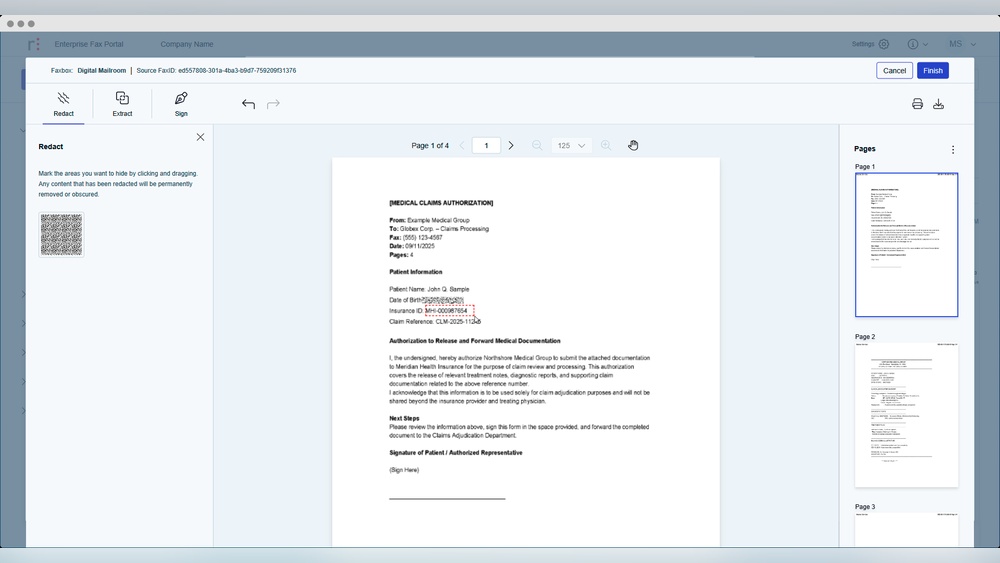
When it comes to managing your business risks, having the right insurance documentation is crucial. But do you really know what “Enterprise Insurance Documentation” involves and why it matters for your company?
Whether you’re renting vehicles, handling commercial assets, or simply ensuring compliance, understanding the exact documents you need can save you time, money, and headaches down the road. You’ll uncover the key types of insurance paperwork that protect your enterprise, how to organize them effectively, and the smart steps you can take to stay covered without confusion.
Keep reading to make sure your business is fully prepared and protected at every turn.
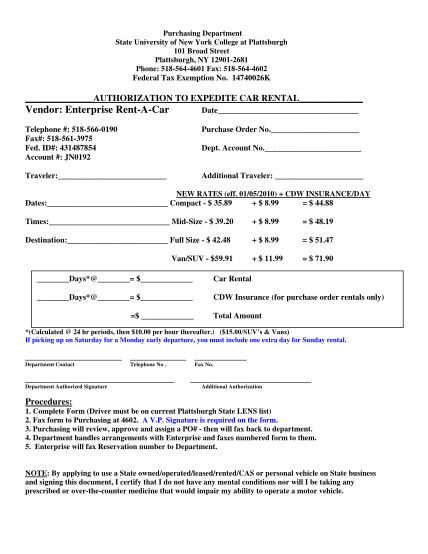
Benefits Of Streamlined Insurance Documentation
Streamlined insurance documentation saves time by making document handling faster and simpler. It helps teams find important papers quickly, reducing delays. This efficiency allows employees to focus on other tasks.
Clear and organized documents cut down on mistakes. Fewer errors mean less confusion and fewer disputes. Accurate records build trust between clients and companies.
Claims get processed more quickly with better documentation. Fast claims help customers feel supported and reduce waiting times. This speed improves overall satisfaction and trust.

Key Elements Of Enterprise Insurance Documents
Liability limitation details explain the renter’s financial responsibility. This usually includes a deductible amount payable if the vehicle is damaged or stolen. Enterprise includes this liability limitation as part of the rental charge, so separate insurance purchase may not be needed.
Supplemental Liability Insurance (SLI) offers extra protection. It covers claims from third parties for bodily injury or property damage caused by the renter. This insurance helps reduce out-of-pocket costs if an accident happens.
Personal Property Coverage protects belongings inside the rented vehicle. This coverage reimburses for lost, stolen, or damaged items during the rental period. It is an important option for renters carrying valuable items in the car.
Securing Insurance Records Effectively
Digital storage solutions help keep insurance records safe and organized. Files stored on secure servers are easy to access anytime. These systems reduce the risk of losing important papers. Backups ensure data is not lost if a problem occurs.
Access controls and permissions restrict who can view or change insurance documents. Only authorized staff should have entry. This prevents unauthorized access and protects sensitive information. Using strong passwords and two-factor authentication adds extra security.
Compliance with data protection laws ensures companies follow rules for handling personal information. Laws like GDPR or HIPAA set standards for privacy and safety. Enterprises must train employees on legal duties and keep records secure. Meeting these rules avoids fines and builds trust.
Integrating Insurance Documentation With Rental Processes
Verification of insurance coverage is a key step in rental processes. It ensures the renter has valid protection before vehicle use. This reduces risks for both the company and the customer. Staff can quickly check coverage details through digital systems.
Handling proof of insurance is made easier with electronic document uploads. Customers can submit their insurance certificates online. This cuts down wait times and paper handling. Rental agents verify documents instantly, speeding up service.
Streamlining customer onboarding involves integrating insurance checks into the rental workflow. Automation tools flag missing or expired insurance automatically. This lowers errors and improves customer experience. A smooth onboarding builds trust and saves time for everyone.
Common Challenges And Solutions
Duplicate coverage can cause confusion and extra costs for businesses. Regular audits help identify overlapping policies early. Centralized tracking systems reduce the risk of buying the same coverage twice. Clear communication between departments avoids redundant insurance purchases.
Missing or incomplete documents slow down claims and approvals. Using digital storage ensures all files are kept safe and easy to access. Standardized checklists help verify that every required document is collected. Training staff on document requirements reduces errors and delays.
Customer queries must be handled quickly to maintain trust. A dedicated support team improves response times and satisfaction. Clear FAQs and step-by-step guides reduce repeated questions. Automated ticketing systems help track and resolve issues efficiently.
Tools And Technologies For Success
Document Management Systems help organize and store insurance papers securely. They make it easy to find and share files fast. These systems reduce mistakes and save time by keeping everything in one place.
Automation and AI Integration speed up processing tasks like data entry and policy checks. AI can spot errors and suggest fixes, improving accuracy. Automation cuts down on repetitive work, freeing employees to focus on important jobs.
Mobile Access and Customer Portals allow clients to view and upload documents anytime, anywhere. These tools improve communication and make it simple to track claims or policy updates. Mobile access offers convenience and quick responses for better service.
Best Practices For Enterprise Insurance Documentation
Regular document audits help keep insurance files accurate and up-to-date. Audits find missing or wrong information quickly. This reduces risks and avoids future problems.
Staff training and awareness ensure employees understand document rules. Training teaches how to handle sensitive insurance data. Well-informed staff prevent errors and keep data safe.
Customer communication strategies improve clarity about insurance documents. Clear messages help customers know what is needed and why. This leads to smoother processes and fewer delays.

Frequently Asked Questions
Do I Need Proof Of Insurance For Enterprise?
Enterprise includes liability coverage with your rental, so you generally don’t need to show proof of insurance. However, you must provide your insurance details if you decline their coverage.
What Documents Are Needed For Enterprise?
Enterprise requires a valid driver’s license, a credit or debit card, and proof of insurance if you decline their coverage.
How Do I Get My Car Insurance Policy Document?
Access your car insurance policy document by logging into your insurer’s website. Go to “Policy Documents,” find your policy, and download it.
Does Enterprise Ask For Proof Of Insurance On Reddit?
Enterprise usually asks for proof of insurance when renting a car, but they include liability coverage by default.
Conclusion
Proper enterprise insurance documentation protects your business and reduces risks. Keep all documents organized and updated regularly. Clear records help during claims and legal processes. Understanding your insurance papers ensures you meet all requirements. Stay informed to avoid surprises and maintain smooth operations.
Good documentation supports stronger protection and peace of mind.
Read More
- Policy Renewal Savings Guide: Unlock Big Discounts Easily
- Policy Claim Filing Guide: Expert Tips for Fast Approval
- Insurance Policy Compliance Audit: Essential Tips for Success
- Insurance Coverage Review Online: Simplify, Save, and Secure Today
- Secure Policy Document Vault: Ultimate Protection for Your Files
- Policyholder Claim Assistance: Expert Tips to Maximize Your Payout
- Commercial Policy Renewal Review: Maximize Savings & Coverage
- Corporate Policy Administration: Streamline Compliance and Boost Efficiency
- Compliance Risk Assessment Checklist: Essential Steps for Success
- Insurance Claim Status Tracking: Simplify Your Claim Process Today