
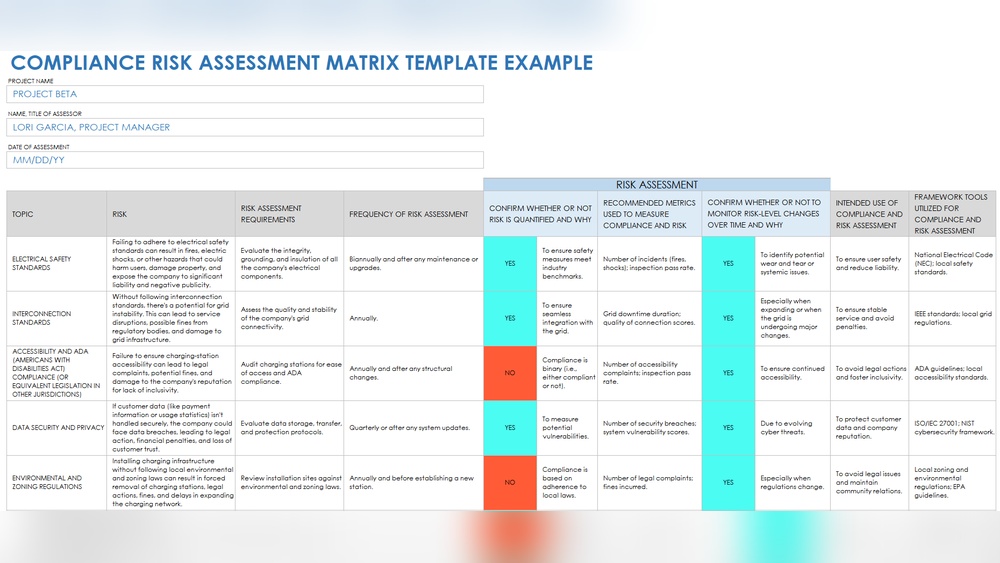
When it comes to protecting your business, skipping a compliance risk assessment can leave you vulnerable to costly fines and damaged reputation. But how do you know if you’re covering all the bases?
That’s where a Compliance Risk Assessment Checklist becomes your best friend. This checklist helps you spot potential risks before they become problems, giving you clear steps to keep your operations running smoothly and within the law. Ready to take control and strengthen your compliance game?
Keep reading, and you’ll discover exactly what you need to evaluate, prioritize, and fix—ensuring your business stays safe and successful.
Compliance Risk Basics
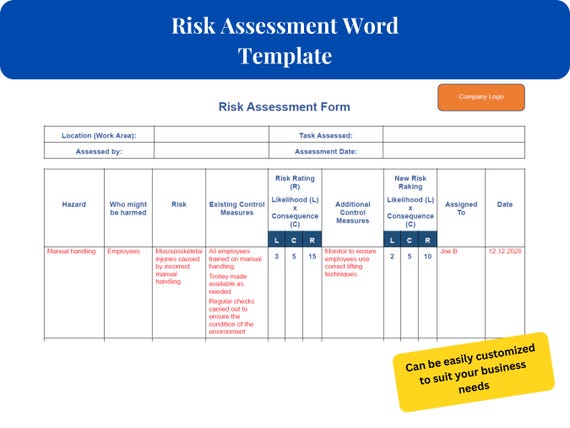
Compliance risks can come from many key areas. These include data privacy, financial reporting, labor laws, and environmental regulations. Each area has unique rules that companies must follow to avoid penalties.
Common types of compliance risks are legal violations, data breaches, and process failures. These risks can cause fines, reputational damage, or even business closure. Identifying risks early helps prevent serious problems.
Risk assessment is important for spotting weak spots. It helps businesses focus on high-risk areas and create plans to fix them. Regular checks keep companies safe and meet legal requirements.
Preparing For Assessment
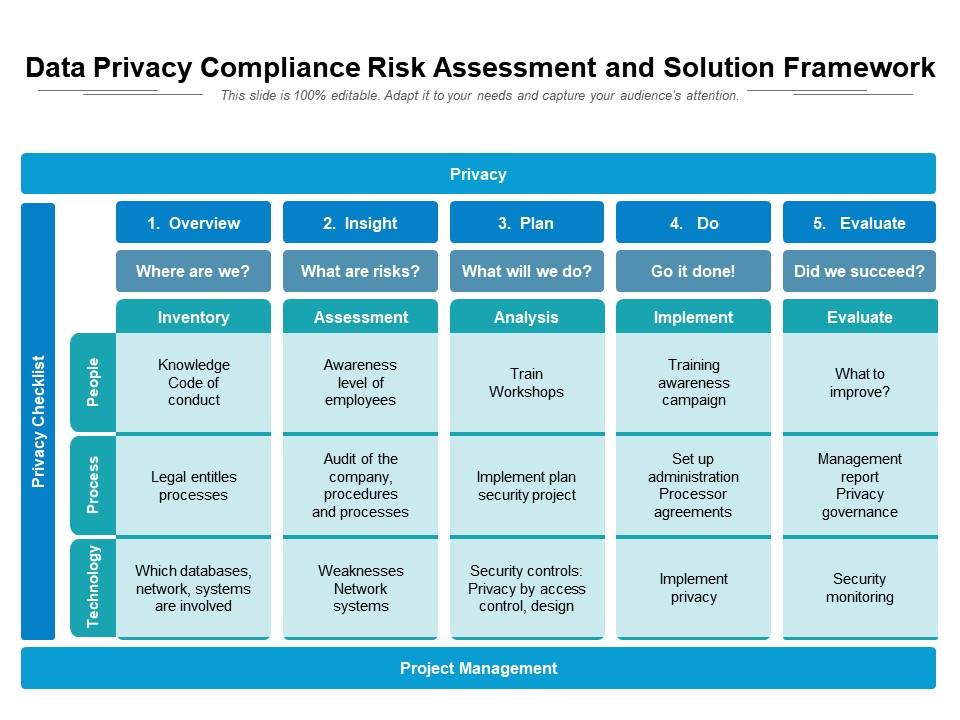
Start by gathering all relevant documents. This includes policies, past reports, and audit results. Having these ready helps you understand the current compliance status quickly.
Identify key stakeholders who are involved or affected by compliance. This may include team members, managers, and external partners. Their input is valuable for a thorough assessment.
Set clear objectives for the assessment. Decide what risks you want to find and what areas need the most attention. Clear goals keep the process focused and effective.
Conducting The Assessment
Risk Identification Techniques include interviews, surveys, and document reviews. These help find areas where rules might be broken. Observing daily operations also reveals hidden risks. Using checklists ensures no risk is missed.
Risk Analysis Methods involve assessing how likely risks are and their possible impact. Qualitative methods use descriptions like high, medium, or low. Quantitative methods assign numbers to risks for clearer comparison.
Prioritizing Risks means focusing on risks with the highest chance and biggest impact. This helps decide where to put effort first. A risk matrix table can help sort risks by severity and likelihood.
| Risk Factor | Likelihood | Impact | Priority |
|---|---|---|---|
| Data Privacy Breach | High | Severe | High |
| Employee Non-Compliance | Medium | Moderate | Medium |
| Outdated Policies | Low | Moderate | Low |
Using Compliance Checklists
Checklist components include clear steps for identifying risks and controls. Common items are regulatory requirements, internal policies, and past audit results. Each item should have a status, risk level, and responsible person. This helps track compliance efforts and spot gaps quickly.
Customizing for your organization means adjusting the checklist to fit your industry and size. Consider local laws and specific business processes. Use language your team understands to avoid confusion. Regular updates keep the checklist relevant as rules change.
Common pitfalls to avoid include skipping steps or rushing through assessments. Avoid vague descriptions and unclear responsibilities. Do not ignore small risks; they can grow over time. Keep communication open and ensure everyone knows their role.
Managing And Mitigating Risks
Developing clear action plans is essential for effective risk management. Plans should include specific steps to address identified risks. Set realistic deadlines to ensure timely completion. Break down complex tasks into smaller, manageable actions.
Assigning responsibilities helps ensure accountability. Each task must have a designated person or team. Clear roles prevent confusion and improve coordination. Everyone should understand their duties and how they contribute to the plan.
Tracking progress is vital to stay on course. Use simple tools like checklists or spreadsheets to monitor tasks. Regular updates help spot delays or problems early. Adjust plans as needed to keep risk management effective.
Tools And Templates
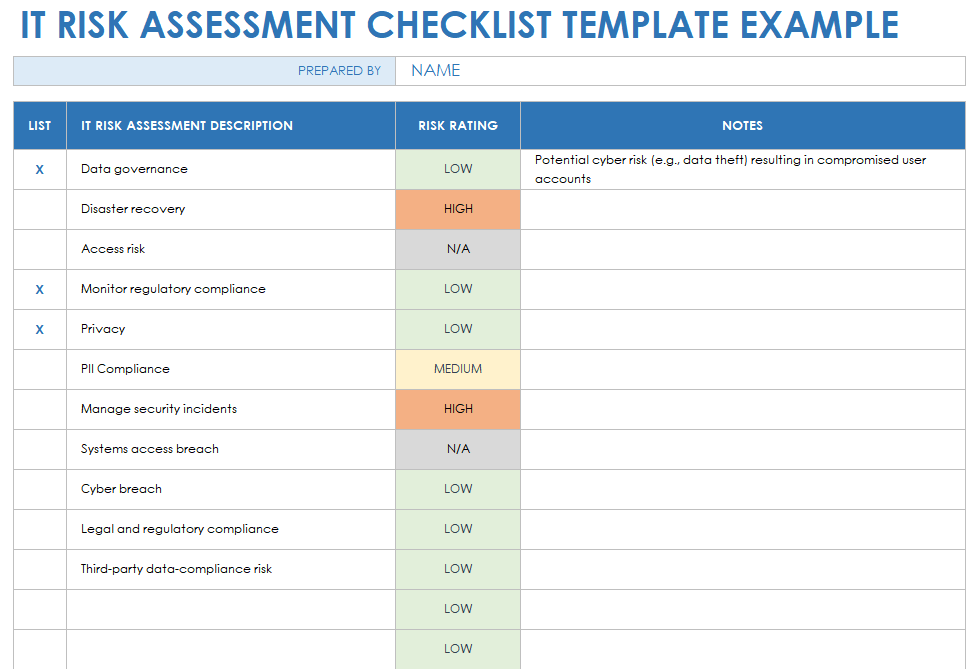
Compliance matrices help map regulations to business areas. They show which rules apply to which parts of your company. This makes it easier to spot where risks might exist.
Risk registers list all identified risks and their details. Each risk is tracked by likelihood, impact, and controls in place. This helps prioritize and manage risks effectively.
| Software Option | Key Features | Benefits |
|---|---|---|
| Simple Assessment Tools | Basic risk scoring and reporting | Easy to use, quick setup |
| Integrated Compliance Suites | Automated alerts, document management | Improves tracking and reduces errors |
| Customizable Platforms | Flexible templates, user roles | Fits specific business needs |
Best Practices
Regular review cycles help keep compliance risks under control. Set a schedule to check policies often. This allows quick fixes for new risks. Reviews should be clear and easy to follow.
Integrate compliance checks with daily business processes. This keeps rules part of daily work. Use simple tools and steps that match your business style. It helps spot issues early.
Engaging employees is key. Train them about risks and rules. Make sure they know why compliance matters. Encourage questions and sharing ideas. Involve staff in improving safety and rules.
Case Studies And Examples
Real-World Assessment Scenarios show how companies identify risks clearly. For example, a financial firm found gaps in data privacy rules. They fixed these by updating policies and training staff. Another case involved a healthcare provider. They used checklists to track compliance with new health laws.
Lessons Learned include the need for regular reviews. Companies discovered that risks change over time. Staying updated helps avoid penalties and fines. Clear communication across teams is vital. It prevents misunderstandings and ensures everyone follows the rules.
Success Stories highlight companies that improved fast. One business reduced audit issues by 40% after using a detailed checklist. Another saved money by spotting risks early. These examples prove that careful compliance checks protect the company and build trust.
Frequently Asked Questions
How Do You Perform A Compliance Risk Assessment?
Perform a compliance risk assessment by identifying risks, evaluating their impact, prioritizing threats, and implementing control measures. Monitor and update regularly.
What Are The 5 Things A Risk Assessment Should Include?
A risk assessment should include hazard identification, risk analysis, risk evaluation, control measures, and monitoring plans.
What Is 21 Cfr Part 11 Compliance Checklist?
A 21 CFR Part 11 compliance checklist ensures electronic records and signatures meet FDA rules. It covers security, audit trails, validation, and user access controls.
What Are The 7 Kpis Used For Risk Management?
The 7 KPIs for risk management include risk exposure, incident frequency, risk mitigation effectiveness, compliance rate, audit findings, risk response time, and cost of risk.
Conclusion
A compliance risk assessment checklist helps spot potential problems early. It guides you to follow rules and avoid penalties. Using a checklist keeps your process clear and organized. Regular checks make your business safer and more reliable. Stay proactive to reduce risks and protect your reputation.
Simple steps lead to stronger compliance and smoother operations. Keep your checklist updated as laws and risks change. This approach supports steady growth and trust with partners.
Read More
- Policy Renewal Savings Guide: Unlock Big Discounts Easily
- Policy Claim Filing Guide: Expert Tips for Fast Approval
- Insurance Policy Compliance Audit: Essential Tips for Success
- Insurance Coverage Review Online: Simplify, Save, and Secure Today
- Enterprise Insurance Documentation: Streamline, Secure, Succeed
- Secure Policy Document Vault: Ultimate Protection for Your Files
- Policyholder Claim Assistance: Expert Tips to Maximize Your Payout
- Commercial Policy Renewal Review: Maximize Savings & Coverage
- Corporate Policy Administration: Streamline Compliance and Boost Efficiency
- Insurance Claim Status Tracking: Simplify Your Claim Process Today