
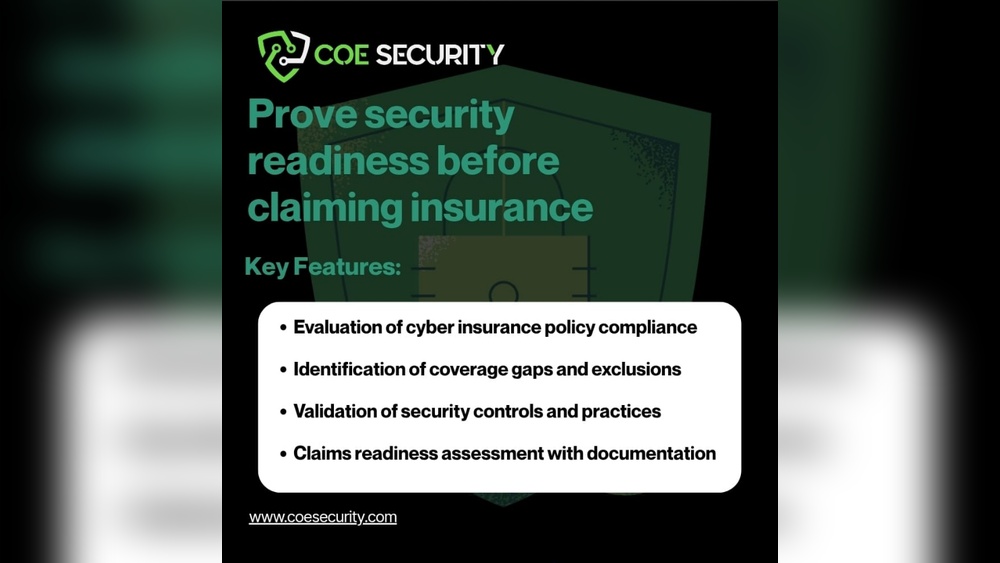
Are you confident that your insurance policies fully comply with the latest regulations and internal standards? An Insurance Policy Compliance Audit is your best tool to uncover hidden risks and gaps before they turn into costly problems.
By thoroughly examining your policies, processes, and documentation, this audit helps you stay on track, avoid penalties, and build trust with clients and regulators alike. You’ll discover exactly what an insurance compliance audit involves, why it’s essential for your business, and how you can prepare to pass it with flying colors.
Keep reading to take control of your insurance compliance and protect your company’s future.
Purpose Of Insurance Policy Audits
Risk management improves by identifying potential policy issues early. Audits help spot errors that could cause financial loss or legal problems. This keeps the company safe and stable.
Regulatory adherence ensures all insurance policies follow state and federal laws. Audits check if the company meets these rules. This avoids fines and legal trouble.
Underwriting integrity is maintained by verifying that policies are written correctly. Audits confirm the accuracy of risk assessments and pricing. This builds trust with clients and regulators.
Key Areas In Compliance Audits
Financial statements are reviewed to ensure accuracy and compliance. Auditors check investments, cash balances, outstanding premiums, and agent balances. These reviews confirm the company’s financial health and legal adherence.
Agent licensing is verified to confirm all agents hold valid licenses. Balances related to agents are also checked to detect discrepancies or unpaid amounts. This step helps maintain trust and regulatory compliance.
Policy documentation is examined for completeness and correctness. Auditors ensure policies meet internal rules and external regulations. Clear, accurate policy records reduce risks of disputes or legal issues.
Claims and premiums are analyzed carefully. Claims must be processed fairly and on time. Premium collections are checked against policy records to avoid errors or fraud. Proper handling of claims and premiums protects both insurer and insured.
Preparing For A Compliance Audit
Gather all essential records like policy documents, claims files, and financial reports. Make sure these records are accurate and up-to-date. Check for any missing paperwork early to avoid delays.
Update your internal policies to align with current laws and regulations. Review and revise your compliance manuals regularly. This keeps your company ready for any audit questions.
Train your staff on compliance standards. Use simple language and clear examples. Regular training sessions help employees understand their roles and reduce errors during audits.
Conducting The Audit Process
Data analysis techniques help auditors review insurance policy records clearly. They use software tools and manual checks to find errors or missing data. This process improves accuracy and saves time.
Identifying weaknesses and gaps is key. Auditors compare policies to rules and spot where rules are not followed. This helps fix problems before they grow.
Using comprehensive checklists ensures nothing is missed during the audit. Checklists cover all steps and rules, guiding auditors through each task. This keeps audits consistent and thorough.
Common Compliance Challenges
Navigating state insurance codes can be tricky. Each state has its own rules. Staying updated with frequent changes is essential. Missing small details may cause big problems. Insurance companies must carefully check every regulation to stay legal.
Managing cybersecurity and data privacy is a growing challenge. Protecting customer information is key. Companies must follow strict laws to avoid breaches. Regular training and strong security systems help prevent data loss or theft.
Handling complex financial reporting requires accuracy and clarity. Insurance firms deal with many types of transactions. Reports must follow set standards and be easy to understand. Errors or delays can lead to penalties or loss of trust.
Tools And Resources For Auditors
Model Audit Rule (MAR) Guidelines help auditors check if insurers follow laws. These rules set clear steps for auditing financial reports and internal controls. Auditors use these guidelines to spot risks and errors in insurance companies.
Compliance Software Solutions make audits easier and faster. These tools track data, flag issues, and keep records organized. Software helps auditors avoid mistakes and stay updated on rules.
Industry Best Practices show what top auditors do. They include checking documents carefully, testing controls, and communicating clearly with clients. Following these practices leads to thorough and fair audits.
Post-audit Actions
Implementing corrective measures starts by identifying audit gaps clearly. Fix issues fast to avoid future risks. Assign tasks to responsible teams. Use clear timelines to track progress.
Continuous monitoring strategies keep compliance steady. Set regular checks to catch errors early. Use automated tools to save time and reduce mistakes. Train staff often on rules and updates.
| Reporting to Stakeholders | Purpose |
|---|---|
| Summary of findings | Show audit results clearly and simply |
| Corrective action plan | Explain steps taken to fix problems |
| Ongoing monitoring updates | Keep stakeholders informed about progress |

Frequently Asked Questions
What Is Included In A Compliance Audit?
A compliance audit reviews an organization’s records, activities, and systems. It checks adherence to laws, policies, and standards in areas like finance, cybersecurity, and safety. The audit includes verifying documentation, processes, controls, and risk management to ensure regulatory and internal compliance.
What Are The 4 Phases Of Compliance?
The 4 phases of compliance are: risk assessment, policy development, implementation, and monitoring. These ensure adherence to laws and regulations.
What Are The 5 C’s Of Audit Findings?
The 5 C’s of audit findings are Clarity, Conciseness, Completeness, Correctness, and Consistency. These ensure clear, accurate, and reliable audit reports.
What Is An Insurance Policy Audit?
An insurance policy audit reviews records and processes to ensure compliance with regulations and internal policies. It verifies accuracy and risk management.
Conclusion
A thorough insurance policy compliance audit protects your business and clients. It helps identify gaps and fix issues early. Regular audits keep your operations aligned with laws and standards. Clear records and honest reviews support trust and smooth processes. Stay proactive to avoid costly penalties and risks.
Embrace audits as a tool for steady improvement and safety.
Read More
- Policy Renewal Savings Guide: Unlock Big Discounts Easily
- Policy Claim Filing Guide: Expert Tips for Fast Approval
- Insurance Coverage Review Online: Simplify, Save, and Secure Today
- Enterprise Insurance Documentation: Streamline, Secure, Succeed
- Secure Policy Document Vault: Ultimate Protection for Your Files
- Policyholder Claim Assistance: Expert Tips to Maximize Your Payout
- Commercial Policy Renewal Review: Maximize Savings & Coverage
- Corporate Policy Administration: Streamline Compliance and Boost Efficiency
- Compliance Risk Assessment Checklist: Essential Steps for Success
- Insurance Claim Status Tracking: Simplify Your Claim Process Today