
Are you tired of worrying whether your important policy documents are truly safe? Imagine having a single place where you can store all your sensitive documents with confidence, knowing that only you and authorized users can access them.
A Secure Policy Document Vault is exactly what you need to protect your critical information from unauthorized access, loss, or tampering. You’ll discover how such a vault works, why it’s essential for your peace of mind, and how it can simplify managing your policies securely.
Keep reading to find out how you can take control of your document security today.
What Is A Secure Policy Document Vault
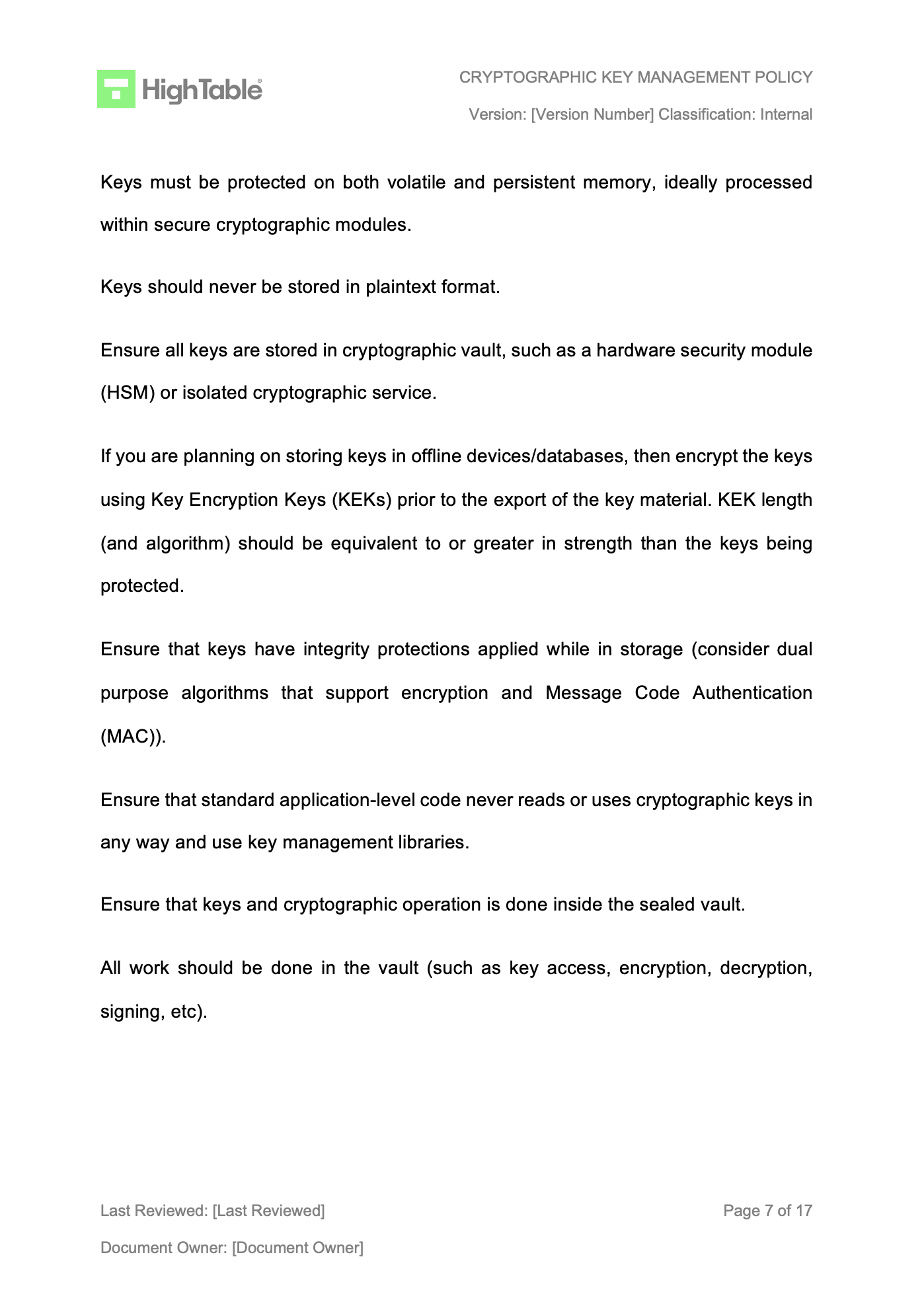
A Secure Policy Document Vault is a digital storage space for important files. It keeps documents safe from unauthorized access. Users can set rules to decide who sees or edits files. These rules follow a deny-by-default method, meaning no access unless allowed.
Core features include encryption to protect data, and custom access controls for different users. The vault also logs activities, so owners know who accessed files. It supports automatic tagging to organize documents easily.
The vault protects files by using strong passwords and security policies. Files are encrypted both when stored and when sent over the internet. This stops hackers from reading or stealing the information. The system checks every request before allowing access, ensuring only the right people can open files.
Benefits Of Using A Document Vault
Enhanced File Security keeps your documents safe from theft or loss. Files get encrypted and stored in a secure location. Only authorized users can view or edit files, reducing risks of data breaches.
Centralized Access Management lets you control who can open or change documents. You can set permissions for groups or individuals. This makes it easy to manage many users in one place.
Audit and Compliance Support tracks who accessed documents and when. This helps meet legal rules and company policies. Reports can show if files were changed or shared wrongly.
Key Components Of Vault Policies
Access control mechanisms define who can see or change documents in the vault. They make sure only the right people get access. This keeps data safe and private.
The deny-by-default approach means no one can access documents unless given permission. This stops accidental or unwanted access. It is a strong safety rule.
| Policy Feature | Description |
|---|---|
| Path Restrictions | Limit access to specific document locations or categories. |
| Operation Restrictions | Control what actions users can perform, like read or write. |
Designing Effective Vault Policies
Consistent naming conventions help keep vault policies clear and easy to find. Use simple words and standard formats for all policy names. This reduces confusion and speeds up management.
Role-based access limits who can see or change documents. Assign roles like admin, editor, or viewer. Each role has specific rights, ensuring data stays safe and only the right people can act.
Using policy templates saves time and keeps rules uniform. Create basic policy patterns that fit common needs. Then, reuse and adjust them instead of writing new policies from scratch every time.
Implementing Vault Policies
Vault policies use a clear syntax to control access. They define who can do what and where. Policies follow a deny-by-default rule, so access is only allowed if stated. The workflow starts by writing policy rules in a simple language. Next, these policies get assigned to users or groups. This assignment controls what each person or group can access in the vault.
Assigning policies to users and groups helps keep data safe. Each user or group can have different permissions. This method ensures only authorized people see or change documents. It also helps track who did what inside the vault.
Testing and validating policies is vital. It means checking if policies work as expected. Testing avoids giving too much or too little access. Validation tools simulate user actions to confirm rules. This step helps catch errors before policies go live.
Advanced Features In Secure Document Vaults
AI-powered document tagging helps to sort files quickly. It reads content and adds tags automatically. This saves time and reduces errors.
Customizable access rights let you control who sees what. You can give permissions based on roles or tasks. This keeps sensitive data safe and private.
Automated summaries create short versions of long documents. This helps users understand key points fast. It improves productivity and decision-making.
Integrating Vaults With Existing Systems
Authentication and authorization form the backbone of secure vault integration. Common methods include OAuth, LDAP, and token-based systems. These ensure only authorized users access sensitive data. Integration with existing systems requires mapping user identities accurately to vault permissions.
API and Terraform integration allow seamless automation and management of vault policies. APIs enable applications to communicate with the vault securely. Terraform scripts can define vault resources and policies as code, making deployment repeatable and consistent.
Planning for scalability is crucial. Vault systems must handle growth in users, documents, and requests. Load balancing, caching, and distributed architecture help maintain performance. Monitoring usage patterns also aids in scaling resources effectively.

Common Use Cases For Secure Document Vaults
Personal document storage keeps sensitive files safe from loss or theft. Users store passports, insurance cards, and warranties securely. Easy access anytime, anywhere, adds convenience.
Corporate compliance and auditing require strict control over documents. Secure vaults help companies follow laws and rules. Auditors find needed files quickly, saving time and effort.
Financial and legal document protection prevents unauthorized access to important papers. Contracts, tax forms, and loan documents stay confidential. This reduces risks of fraud or data breaches.
Best Practices For Maintaining Vault Security
Regular policy reviews help keep the vault secure and up to date. Policies should be checked often to remove old permissions and add new ones. This reduces the risk of unauthorized access. A clear schedule for reviews works best.
Monitoring access logs shows who accessed the vault and what actions they took. Look for unusual activity or repeated failed attempts. These logs can help find security issues early. Use automated tools to spot problems fast.
Incident response planning prepares teams for security breaches. Have a clear plan that lists steps to take if an incident happens. This includes who to contact, how to contain the issue, and how to fix the problem. Practice the plan regularly to stay ready.
Frequently Asked Questions
What Is A Secure Policy Document Vault?
A Secure Policy Document Vault is a digital storage system that protects sensitive policy documents. It controls access through strict permissions and encryption. This vault ensures only authorized users can view or edit documents, enhancing organizational security and compliance.
How Does Vault Policy Control Document Access?
Vault policies use a deny-by-default approach to restrict access. Permissions are explicitly granted for specific paths and operations. This fine-grained control prevents unauthorized viewing or modification of documents, maintaining data confidentiality and integrity.
Why Use A Secure Policy Document Vault For Policies?
Storing policies in a secure vault centralizes access and enhances security. It simplifies management, auditing, and compliance by tracking document usage. This reduces risks of data breaches and unauthorized policy changes.
Can Secure Policy Document Vaults Support Automated Access?
Yes, many vaults support automated access controls via policy templates. These templates assign permissions dynamically based on roles or attributes. Automation improves efficiency and reduces human error in managing document security.
Conclusion
A secure policy document vault protects sensitive information from unauthorized access. It lets users control who sees and edits documents easily. Strong policies help keep data safe and organized. This reduces risks and builds trust in your system. Using clear, simple rules ensures smooth operations and peace of mind.
Choose a solution that fits your needs and keeps your documents secure.
Read More
- Policy Renewal Savings Guide: Unlock Big Discounts Easily
- Policy Claim Filing Guide: Expert Tips for Fast Approval
- Insurance Policy Compliance Audit: Essential Tips for Success
- Insurance Coverage Review Online: Simplify, Save, and Secure Today
- Enterprise Insurance Documentation: Streamline, Secure, Succeed
- Policyholder Claim Assistance: Expert Tips to Maximize Your Payout
- Commercial Policy Renewal Review: Maximize Savings & Coverage
- Corporate Policy Administration: Streamline Compliance and Boost Efficiency
- Compliance Risk Assessment Checklist: Essential Steps for Success
- Insurance Claim Status Tracking: Simplify Your Claim Process Today